
How Much Does a Roof Replacement Cost in New Jersey?
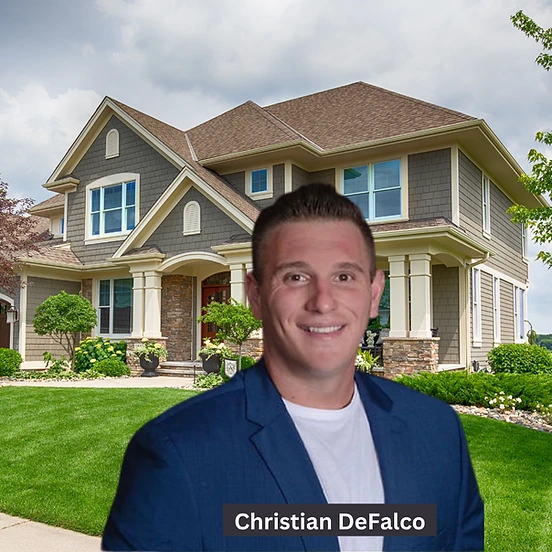

Replacing your roof is one of the most important investments you can make in your home. A properly installed roof protects your property from rain, wind, snow, moisture, and New Jersey’s changing weather conditions. However, before starting the project, most homeowners want to know one important thing: How much does a roof replacement cost in New Jersey?
The cost of replacing a roof in New Jersey generally ranges from approximately $8,000 to $25,000 or more. The final price depends on the size and complexity of the roof, the selected roofing material, labor requirements, and the condition of the existing roofing system.
Because every property is different, the best way to determine the actual cost is to schedule a professional roof inspection and request a detailed written estimate.
Average Roof Replacement Cost in New Jersey
For many New Jersey homes, a standard asphalt shingle roof replacement may cost between $8,000 and $18,000. Larger homes, complex roof designs, premium shingles, metal roofing, or extensive structural repairs can increase the total cost to $25,000 or more.
These figures should only be used as general planning estimates. A roofing contractor must inspect the property before providing an accurate quote.
The estimate should clearly explain the costs associated with:
Removing the existing roofing materials
Installing new shingles or roofing materials
Replacing damaged roof decking
Installing underlayment and protective barriers
Repairing or replacing flashing
Improving attic ventilation
Removing and disposing of old materials
Completing the final cleanup and inspection
A detailed estimate helps homeowners understand exactly what is included in the project.
What Factors Affect Roof Replacement Cost in NJ?
Several factors can influence the cost of a new roof in New Jersey. Understanding them can help you plan your budget and compare roofing estimates more effectively.
1. Roof Size
Roof size is one of the biggest pricing factors. Roofing contractors usually measure roofs in “squares,” with one roofing square covering 100 square feet.
A larger roof requires more materials, labor, and installation time. Remember that the size of your roof may not be the same as the interior square footage of your home.
2. Roofing Material
The roofing material you select will significantly affect the total price. Asphalt shingles are commonly used because they provide a practical balance between affordability, appearance, and durability.
Premium architectural shingles, metal roofing, slate, and other specialty materials generally cost more but may provide increased durability and a longer lifespan.
Your contractor can help you compare materials based on your home, budget, design preferences, and long-term expectations.
3. Roof Pitch and Design
A steep or complex roof usually requires additional labor, safety equipment, and installation time. Roofs with several sections, valleys, dormers, skylights, chimneys, or difficult angles may cost more than a simple roof design.
Accessibility can also affect the price. If contractors have difficulty safely moving materials and equipment around the property, additional labor may be required.
4. Removal of the Existing Roof
In many projects, the old roofing materials must be removed before the new roof can be installed. The number of existing roofing layers and the amount of waste being removed can affect labor and disposal costs.
Removing the existing roof also allows the contractor to inspect the roof deck and identify hidden damage.
5. Roof Decking Condition
Roof decking provides the structural foundation beneath your roofing materials. If the decking has moisture damage, rot, soft areas, or other structural problems, damaged sections may need to be replaced.
Decking damage is not always visible until the old roofing system has been removed. Homeowners should ask how additional decking work will be priced if hidden damage is discovered.
6. Flashing, Ventilation, and Additional Components
A complete roofing system includes more than shingles. Flashing, underlayment, drip edges, vents, ridge caps, and leak barriers all help protect the home.
Damaged flashing around chimneys, skylights, roof valleys, and vents may need to be replaced. Inadequate attic ventilation may also require improvement to help control heat and moisture buildup.
Roof Replacement vs. Roof Repair
Not every roofing problem requires a complete replacement. A roof repair may be suitable when the damage is limited to a small area and the rest of the roof remains in good condition.
Roof replacement may be a better long-term option when:
The roof is approaching the end of its expected lifespan
Shingles are missing, cracked, curling, or deteriorating
Leaks are occurring in several areas
The roof has widespread storm damage
The decking has significant moisture or structural damage
Repairs are becoming frequent and expensive
A professional roof inspection can help determine whether repair or replacement is the more practical solution.
Does Homeowners Insurance Cover Roof Replacement?
Homeowners insurance may cover roof replacement when damage is caused by a covered event, such as hail, strong winds, falling objects, or certain storms.
However, insurance generally does not cover replacement caused solely by aging, normal wear and tear, or a lack of maintenance. Coverage depends on the specific insurance policy, the cause of the damage, and the condition of the roof.
If you believe your roof has storm damage, document the visible problems and contact both a qualified roofing contractor and your insurance provider.
How to Get an Accurate Roof Replacement Estimate
Online calculators and average prices can provide a general idea, but they cannot identify hidden damage or evaluate your property’s specific roofing system.
A professional estimate should include:
A complete roof inspection
Recommended roofing materials
Labor and installation costs
Removal and disposal costs
Decking replacement terms
Flashing and ventilation work
Product and workmanship warranty information
Estimated project schedule
Cleanup responsibilities
Avoid selecting a contractor based only on the lowest price. Compare licensing, insurance, roofing experience, material quality, warranties, customer reviews, and the completeness of the written proposal.
Choose a Trusted New Jersey Roofing Contractor
Your new roof should provide reliable protection for many years. Choosing an experienced roofing company helps ensure the correct materials, installation methods, and safety procedures are used throughout the project.
DeFalco Roofing provides professional roof inspections, roof repairs, new roof installation, and roof replacement services for homeowners across North and South Jersey.
Our team will inspect your roofing system, explain the available options, and provide a clear estimate based on your property’s actual needs.
Request a Free Roof Replacement Estimate
If your roof is showing signs of aging, leaks, missing shingles, or storm damage, do not wait for a minor problem to become a major repair.
Contact DeFalco Roofing today to schedule a professional roof inspection and receive a free roof replacement estimate for your New Jersey home.
Call 973-255-0374 or complete our online estimate form to get started.
Frequently Asked Questions
How much does a roof replacement cost in New Jersey?
A residential roof replacement in New Jersey may cost approximately $8,000 to $25,000 or more. The final cost depends on roof size, material, design complexity, labor, and the condition of the existing roofing system.
What is the most affordable roofing material?
Asphalt shingles are generally one of the most affordable and widely used residential roofing options. Architectural shingles may cost more than basic shingles but can provide improved appearance and durability.
How long does a roof replacement take?
Many standard residential roof replacements can be completed within a few days. Larger roofs, complex designs, structural repairs, and unfavorable weather may extend the timeline.
Can I repair my roof instead of replacing it?
A repair may be appropriate if the damage is limited and the remaining roof is in good condition. A replacement may offer better long-term value when the roof is old or has widespread deterioration.
How can I receive an accurate roofing estimate?
Schedule an on-site inspection with a qualified New Jersey roofing contractor. The contractor should evaluate the entire roofing system and provide a detailed written estimate based on the actual project requirements.


Comments